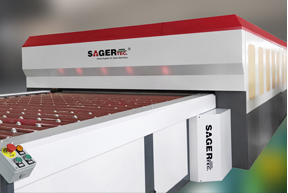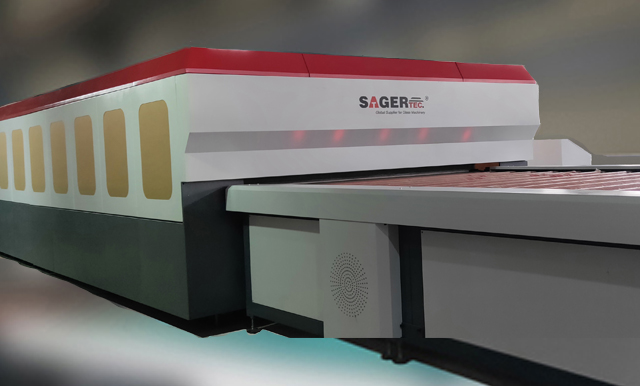
In der Verbundglasindustrie hat sich die Produktionstechnologie von der traditionellen Chargenverarbeitung hin zu flexibleren, energiesparenderen und kontinuierlichen Fertigungslösungen weiterentwickelt. Zu diesen Technologien gehört dieKontinuierlicher Glaslaminierofen ohne Autoklavist zu einer zunehmend attraktiven Option für Glasverarbeiter geworden, die ihre Ausrüstungsinvestitionen reduzieren, den Betrieb vereinfachen und die Produktionsflexibilität verbessern möchten.
Traditionell wird Verbundglas von einem Hersteller hergestelltAutoklav-Verbundglas-Produktionslinie, wo Glas und Zwischenschichtmaterialien wie PVB oder SGP unter hoher Temperatur und hohem Druck verbunden werden. Dieses Verfahren ist ausgereift und wird häufig in Architekturglas, Automobilglas, Sicherheitsglas, Panzerglas und Strukturverglasung eingesetzt.
Mit der Entwicklung der Vakuumtechnologie, der Heizungssteuerungssysteme und der kontinuierlichen Laminierausrüstung ist dieNicht autoklavierbare Glaslaminiermaschinebietet eine alternative Produktionsmethode. Es macht einen Hochdruckautoklaven überflüssig und nutzt Vakuum, kontrollierte Erwärmung und kontinuierliche Förderung, um den Laminierungsprozess abzuschließen.
Dieser Artikel analysiert die wichtigsten Unterschiede zwischen aKontinuierlicher Glaslaminierofen ohne Autoklavund aTraditionelle Autoklaven-Verbundglas-Produktionslinieaus technischer und kaufmännischer Sicht.
AKontinuierlicher Glaslaminierofen ohne Autoklavist eine Art Glaslaminierungsgerät, das zur Herstellung von Verbundglas ohne Verwendung eines herkömmlichen Hochdruckautoklaven entwickelt wurde.
Anstatt sich auf hohen Druck in einem großen Druckbehälter zu verlassen, verwendet der Laminierprozess ohne Autoklav normalerweise Folgendes:
Der grundlegende Produktionsablauf kann wie folgt beschrieben werden:
Glaswaschen → Glasmontage → Zwischenschichtplatzierung → Vakuumluftentfernung → Kontinuierliches Erhitzen → Abkühlen → Fertiges Verbundglas
Diese Art vonNicht autoklavierbare Glaslaminiermaschinekann für verschiedene Verbundglasprodukte verwendet werden, darunter Architektur-Verbundglas, dekoratives Verbundglas, Möbelglas, Sicherheitsglas, EVA-Verbundglas, PVB-Verbundglas und, in einigen Ausstattungskonfigurationen, SGP-Verbundglas.
Das größte Merkmal dieser Technologie besteht darin, dass sie den Herstellungsprozess von Verbundglas durch den Wegfall der Autoklavenstufe vereinfacht.
Ein traditionellesAutoklav-Verbundglas-Produktionslinieist ein komplettes System zur Herstellung von Verbundglas, das einen Hochdruckautoklaven verwendet, um den endgültigen Verbindungsprozess abzuschließen.
Eine typische Autoklav-Verbundglaslinie umfasst:
Der grundlegende Prozess ist:
Glaswaschen → Zwischenschichtmontage → Vorpressen und Entlüften → Erhitzen und Unterdrucksetzen im Autoklaven → Abkühlen → Endkontrolle
Im Autoklaven wird Verbundglas hoher Temperatur und hohem Druck ausgesetzt. Der Zweck besteht darin, Restluft zu entfernen, die Haftung zwischen Glas und Zwischenschicht zu verbessern und optische Klarheit und langfristige Haltbarkeit sicherzustellen.
Dieses Verfahren wird seit Jahrzehnten eingesetzt und ist nach wie vor die Standardwahl für viele Verbundglasanwendungen.
Der wichtigste Unterschied zwischen aKontinuierlicher Glaslaminierofen ohne Autoklavund aTraditionelle Autoklaven-Verbundglas-Produktionslinieist die Art und Weise, wie Druck und Bindung erreicht werden.
Bei einem herkömmlichen Autoklavenprozess wird Verbundglas in einen Druckbehälter gegeben. Auf die gesamte Glasladung werden hohe Temperaturen und hoher Druck ausgeübt. Der Druck hilft dabei, verbleibende Luftblasen zu beseitigen und verbessert die Haftung zwischen Glas und Zwischenschicht.
Bei einem Laminierprozess ohne Autoklaven kommt das System ohne Hochdruckbehälter aus. Stattdessen wird die Luft hauptsächlich durch Vakuum entfernt und die Verbindung wird durch kontrollierte Erwärmung und Prozesszeit abgeschlossen. Das Glas durchläuft den Ofen kontinuierlich, was den Produktionsprozess flexibler macht.
In einfachen Worten:
Autoklavenprozess:Hochtemperatur + Hochdruck + Serienproduktion
Prozess ohne Autoklav:Vakuum + kontrollierte Erwärmung + kontinuierliche Produktion
Dieser Unterschied wirkt sich direkt auf Investitionskosten, Produktionseffizienz, Energieverbrauch, Wartungsanforderungen und Produktanwendungsbereich aus.
Ein traditionellesAutoklav-Verbundglas-Produktionslinieerfordert in der Regel höhere Investitionen, da der Autoklav selbst ein großer und teurer Druckbehälter ist. Darüber hinaus benötigt die Produktionslinie auch Luftkompressoren, Druckkontrollsysteme, Sicherheitssysteme, Kühlsysteme und eine regelmäßige Wartung der Druckbehälter.
Auch die Installationsanforderungen sind komplizierter. Die Fabrik benötigt ausreichend Platz für den Autoklaven, den Be- und Entladebereich, das Luftversorgungssystem und den Sicherheitsabstand.
Im Vergleich dazu aKontinuierlicher Glaslaminierofen ohne Autoklavverfügt über eine einfachere Ausstattungsstruktur. Da kein großer Hochdruckautoklav erforderlich ist, ist die Gesamtinvestition in der Regel geringer. Die Produktionslinie ist außerdem einfacher zu installieren, zu bedienen und zu warten.
Für kleine und mittlere Glasverarbeitungsbetriebe ist dies einer der Hauptgründe, sich für ein zu entscheidenProduktionslinie für nicht autoklaviertes Verbundglas.
Bei der herkömmlichen Autoklavenproduktion handelt es sich um einen Batch-Prozess. Auch wenn der vordere Teil der Linie kontinuierlich arbeitet, ist die Autoklavenstufe immer noch durch Beladen, Erhitzen, Unter-Druck-Setzen, Halten, Kühlen, Druckentlasten und Entladen begrenzt.
Das bedeutet, dass die Produktionseffizienz stark abhängt von:
AKontinuierlicher Glaslaminierofen ohne Autoklavist für die kontinuierliche Produktion ausgelegt. Die Glasscheiben werden in einer Gruppe nach der anderen durch den Ofen bewegt, wodurch die Wartezeit bei der Beladung großer Chargen verkürzt wird
Dadurch eignet sich das autoklavfreie System besonders für:
Für Fabriken, die jeden Tag viele verschiedene Spezifikationen verarbeiten, akontinuierlicher Glaslaminierofenkann die Flexibilität verbessern und Produktionsengpässe reduzieren.
Der Energieverbrauch ist ein weiterer wesentlicher Unterschied zwischen diesen beiden Systemen.
Ein herkömmlicher Autoklav benötigt Energie zum Erhitzen eines großen Druckbehälters, zum Erzeugen von Druckluft, zum Aufrechterhalten des Drucks, zum Halten der Temperatur und zum kontrollierten Kühlen. Die Zykluszeit ist in der Regel lang und der Energieverbrauch kann erheblich sein, insbesondere wenn das Produktionsvolumen nicht stabil ist.
AKontinuierlicher Glaslaminierofen ohne AutoklavEs ist nicht erforderlich, eine große Autoklavenkammer zu erhitzen und unter Druck zu setzen. Der Energieverbrauch entsteht hauptsächlich durch Heizzonen, Vakuumpumpen, Fördermotoren und Steuerungssysteme.
Bei vielen allgemeinen Verbundglasanwendungen kann der Prozess ohne Autoklavierung die Energiekosten pro Quadratmeter senken, insbesondere wenn die Produktionslinie effizient genutzt wird.
Die tatsächliche Energieeinsparung hängt jedoch von mehreren Faktoren ab:
Ein traditionellesAutoklav-Verbundglas-Produktionslinieverfügt über ein breiteres Prozessfenster. Die Hochdruckumgebung trägt dazu bei, Restluft zu entfernen oder aufzulösen und verbessert die endgültige Klebequalität. Aus diesem Grund wird die Autoklaventechnologie immer noch häufig für anspruchsvolle Verbundglasprodukte eingesetzt.
Die Autoklavenproduktion eignet sich besonders für:
Für einenKontinuierlicher Glaslaminierofen ohne AutoklavDie Qualitätskontrolle hängt stärker von den frühen Phasen der Produktion ab. Da es keine abschließende Hochdruckautoklavenstufe gibt, muss der Prozess eine wirksame Luftentfernung und gleichmäßige Erwärmung gewährleisten, bevor das Glas den Ofen verlässt.
Zu den wichtigsten Qualitätskontrollpunkten gehören:
Mit anderen Worten: Die Herstellung von Verbundglas ohne Autoklaven erfordert eine genaue Kontrolle von Vakuum, Temperatur und Zeit. Wenn der Prozess gut optimiert ist, kann damit hochwertiges Verbundglas für viele architektonische und dekorative Anwendungen hergestellt werden.
Herkömmliche Autoklaven-Verbundglas-Produktionslinien werden üblicherweise verwendetPVB-VerbundglasUndSGP-Verbundglas. Diese Zwischenschichten werden häufig in Architektursicherheitsglas, Vorhangfassadenglas, Oberlichtglas, Geländerglas, Automobilglas und Strukturglas verwendet.
AKontinuierlicher Glaslaminierofen ohne Autoklavkann auch für die Verarbeitung verschiedener Zwischenschichten ausgelegt werden, darunter:
Die Kompatibilität hängt jedoch vom Ofendesign, dem Vakuumsystem, der Heizungssteuerung und den Anforderungen des Zwischenschichtlieferanten ab.
Beispielsweise wird EVA-Verbundglas häufig in Dekorationsglas, Innenglas, Möbelglas und Solarpaneelglas verwendet. Im Allgemeinen lässt es sich in Geräten ohne Autoklaven einfacher verarbeiten.
PVB-Verbundglas erfordert eine strengere Kontrolle von Feuchtigkeit, Temperatur und Entlüftungsqualität.
Daher sollten Sie vor der Auswahl einesNicht autoklavierbare GlaslaminiermaschineGlasverarbeiter sollten bestätigen, ob die Ausrüstung ihre angestrebten Produktstandards erfüllen kann.
Eine herkömmliche Autoklaven-Verbundglas-Produktionslinie benötigt normalerweise mehr Produktionsfläche. Der Autoklav, der Beladewagen, das Luftkompressorsystem, die Kühlausrüstung und der Sicherheitsbereich erfordern eine zusätzliche Planung der Anordnung.
Der Vorgang ist auch komplexer, da das Produktionsteam Folgendes verwalten muss:
AKontinuierlicher Glaslaminierofen ohne Autoklavhat ein kompakteres Layout. Die Integration in eine bestehende Glasverarbeitungswerkstatt ist einfacher. Der Vorgang ist in der Regel einfacher und der Produktionsfluss einfacher zu verwalten.
Dies ist besonders nützlich für Fabriken, die die Verbundglasproduktion erweitern möchten, ohne einen großen Autoklaven-Produktionsbereich zu bauen.
| Artikel | Kontinuierlicher Glaslaminierofen ohne Autoklav | Traditionelle Autoklaven-Verbundglas-Produktionslinie |
|---|---|---|
| Prozesstyp | Vakuumunterstützte kontinuierliche Laminierung | Hochtemperatur- und Hochdruck-Chargenlaminierung |
| Hauptausrüstung | Durchlauflaminierofen, Vakuumsystem, Heizsystem | Vorpresslinie, Autoklav, Kompressor, Kühlsystem |
| Investitionskosten | Normalerweise niedriger | Normalerweise höher |
| Produktionsmodus | Kontinuierlich und flexibel | Batch-Typ |
| Energieverbrauch | Im Allgemeinen niedriger für viele Standardprodukte | Höher aufgrund von Druckbehälter und Luftkompression |
| Betrieb | Einfacher und flexibler | Komplexer |
| Wartung | Keine Wartung des Druckbehälters | Erfordert die Wartung des Autoklaven und des Drucksystems |
| Geeignete Zwischenschichten | Je nach Ausstattung EVA, PVB, SGP, Dekorfolien | PVB, SGP und andere Hochleistungszwischenschichten |
| Passende Produkte | Architekturglas, Dekorglas, Möbelglas, Sicherheitsglas | Automobilglas, Vorhangfassadenglas, Strukturglas, kugelsicheres Glas |
| Am besten für | Kleine, mittlere und große Produktion, kundenspezifische Aufträge, flexible Fertigung | Großserienfertigung und hochspezialisierte Projekte |
Die Hauptvorteile von aKontinuierlicher Glaslaminierofen ohne Autoklaventhalten:
Ohne einen Hochdruckautoklaven können die Gesamtkosten der Produktionslinie gesenkt werden. Dies erleichtert kleinen und mittleren Glasverarbeitern den Einstieg in den Verbundglasmarkt.
Der autoklavfreie Prozess kann in vielen Anwendungen den Energieverbrauch, den Arbeitsaufwand und die Wartungskosten senken.
Im Vergleich zur Batch-Autoklavenverarbeitung verbessert die kontinuierliche Laminierung den Produktionsfluss und verkürzt die Wartezeit.
Das System eignet sich für kundenspezifische Glasgrößen, Kleinserienfertigung und häufige Spezifikationsänderungen.
Die Geräte benötigen weniger Platz und lassen sich einfacher in bestehende Werkstätten einbauen.
Es kann je nach Gerätekonfiguration für architektonisches Verbundglas, dekoratives Verbundglas, EVA-Verbundglas, PVB-Verbundglas und andere kundenspezifische Glasprodukte verwendet werden.
Obwohl die nicht-autoklavierbare Technologie viele Vorteile hat, ist die traditionelleAutoklav-Verbundglas-Produktionsliniehat immer noch starke Vorteile in High-End- und Hochsicherheitsanwendungen.
Die Autoklav-Laminierung ist ein bewährtes Verfahren mit langjähriger Industrieerfahrung.
Die Autoklavenproduktion wird häufig für Automobilglas, Strukturglas, großes Vorhangfassadenglas und kugelsicheres Glas eingesetzt.
Die Wahl zwischen aKontinuierlicher Glaslaminierofen ohne Autoklavund aTraditionelle Autoklaven-Verbundglas-Produktionsliniesollte nicht nur auf dem Gerätepreis basieren. Die richtige Wahl hängt von Ihrem Produkttyp, Ihrem Zielmarkt, Ihrem Produktionsvolumen und Ihren Qualitätsanforderungen ab.
Ein kontinuierlicher Glaslaminierofen ohne Autoklav ist besser geeignet, wenn sich Ihre Fabrik auf Folgendes konzentriert:
Eine herkömmliche Autoklaven-Verbundglas-Produktionslinie ist besser geeignet, wenn sich Ihre Fabrik auf Folgendes konzentriert:
Für viele Glasverarbeiter könnte die beste Lösung sogar eine kombinierte Strategie sein: die Verwendung von aNicht autoklavierbare Glaslaminiermaschinefür flexible und Sicherheitsglasprodukte, während eine Autoklavenlinie für gebogenes Glas verwendet wird
Der Unterschied zwischen aKontinuierlicher Glaslaminierofen ohne Autoklavund aTraditionelle Autoklaven-Verbundglas-ProduktionslinieEs geht nicht nur darum, ob ein Autoklav verwendet wird oder nicht. Es repräsentiert zwei unterschiedliche Produktionskonzepte.
Der Schwerpunkt des traditionellen Autoklavenverfahrens liegt auf der Hochdruck-Chargenlaminierung, einer stabilen Verbindungsqualität und einer breiten Anwendung bei anspruchsvollen Sicherheitsglasprodukten. Es eignet sich für die Großserienfertigung und Hochleistungs-Verbundglas.
Der kontinuierliche Prozess ohne Autoklav konzentriert sich auf vakuumunterstützte Laminierung, kontinuierliche Produktion, geringere Investitionen, Energieeinsparung und Produktionsflexibilität. Es eignet sich für Glasverarbeiter, die eine schnelle Lieferung, maßgeschneiderte Produktion und niedrigere Betriebskosten benötigen.
Für Unternehmen, die eine Neuinvestition planenProduktionslinie für Verbundglas, DieKontinuierlicher Glaslaminierofen ohne Autoklavbietet eine praktische und kostengünstige Lösung für viele architektonische, dekorative und allgemeine Sicherheitsglasanwendungen. Für Automobil-, Struktur- oder Biegeglas jedoch ein traditionelles VerfahrenAutoklav-Verbundglas-Produktionsliniekönnte immer noch die bevorzugte Wahl sein.
AKontinuierlicher Glaslaminierofen ohne Autoklavist eine Glaslaminiermaschine, die Verbundglas ohne Verwendung eines herkömmlichen Hochdruckautoklaven herstellt. Es nutzt Vakuum, kontrollierte Erwärmung und kontinuierliche Förderung, um Glas mit EVA, PVB, SGP oder anderen Zwischenschichten zu verbinden.
Der Hauptunterschied ist der Klebevorgang. Bei der Herstellung von Verbundglas im Autoklav werden hohe Temperaturen und hoher Druck in einem Druckbehälter verwendet, während bei der Herstellung von Verbundglas ohne Autoklav Vakuum und kontrollierte Erwärmung in einem Durchlaufofen zum Einsatz kommen.
Ja. Es funktioniert gut mit Standard-PVB-Folie
Ja. EVA-Verbundglas ist eine der häufigsten Anwendungen für nicht-autoklavierbare Laminiergeräte. Es wird häufig in dekorativem Glas, Möbelglas, Innenglas und kundenspezifischen Verbundglasprodukten verwendet.
In vielen architektonischen, dekorativen und allgemeinen Sicherheitsglasanwendungen wird u. aKontinuierlicher Glaslaminierofen ohne Autoklavkann eine kostengünstige Alternative sein. Für Automobilglas, schusssicheres Glas und Biegeglas kann jedoch weiterhin eine herkömmliche Autoklavenproduktion erforderlich sein.
Für kleine und mittlere Produktionen, kundenspezifische Aufträge und dekoratives Verbundglas ist ein kontinuierlicher Glaslaminierofen ohne Autoklav in der Regel kostengünstiger. Für die Massenproduktion und Hochleistungs-Verbundglas kann eine Autoklav-Verbundglas-Produktionslinie eine bessere Langzeitstabilität bieten